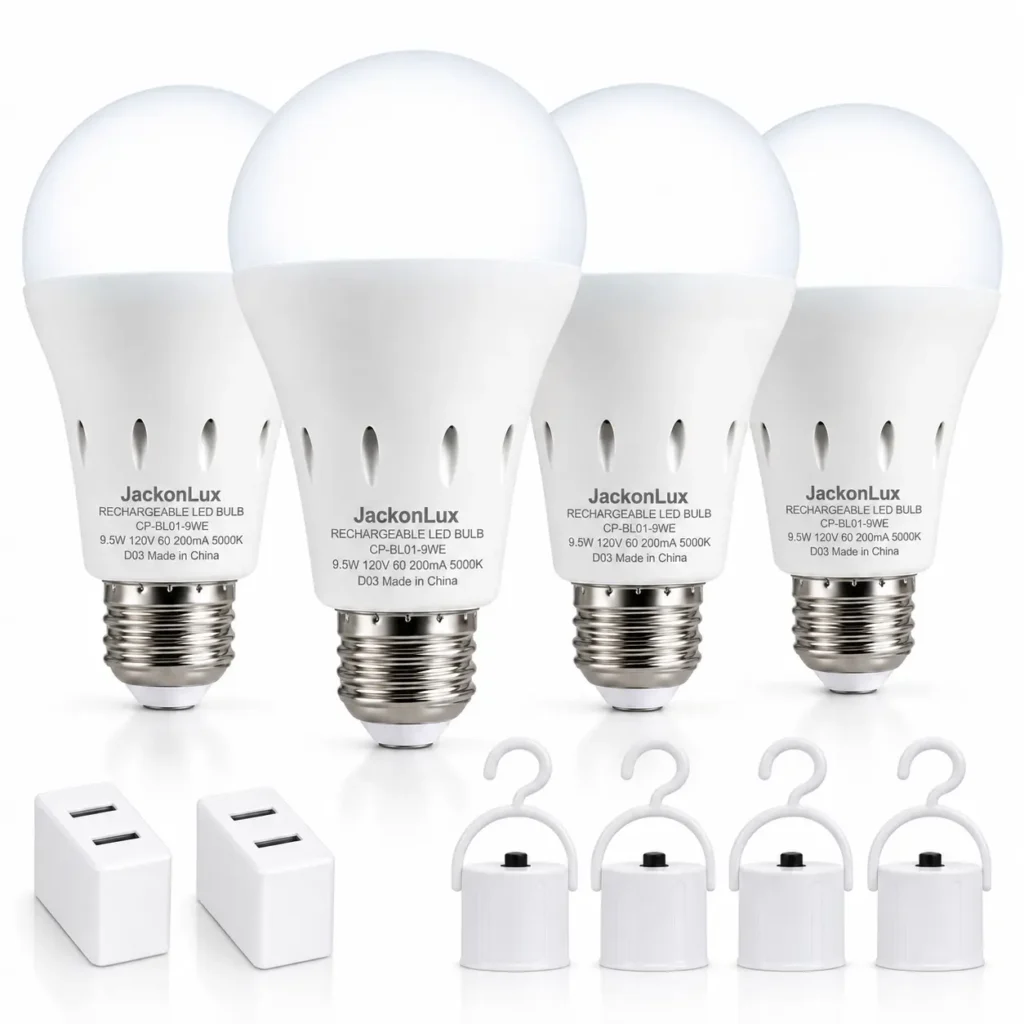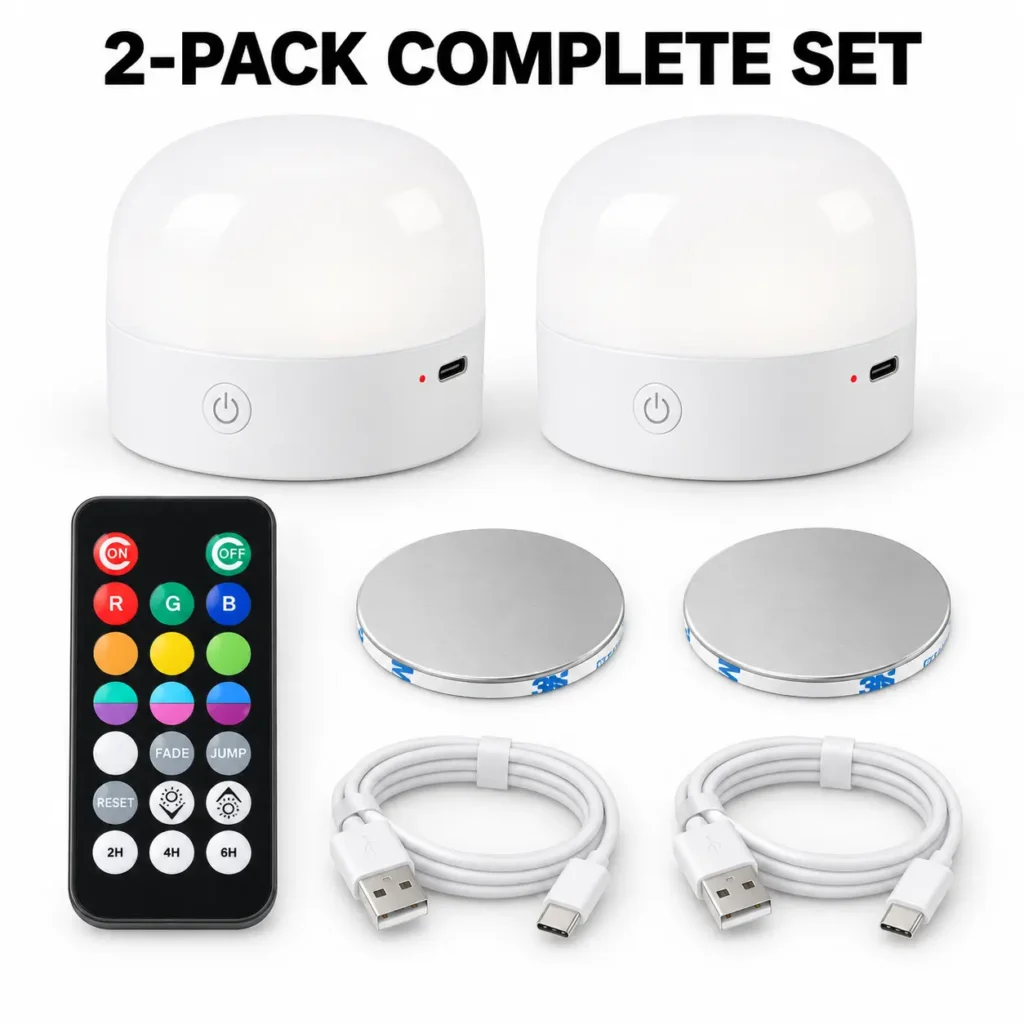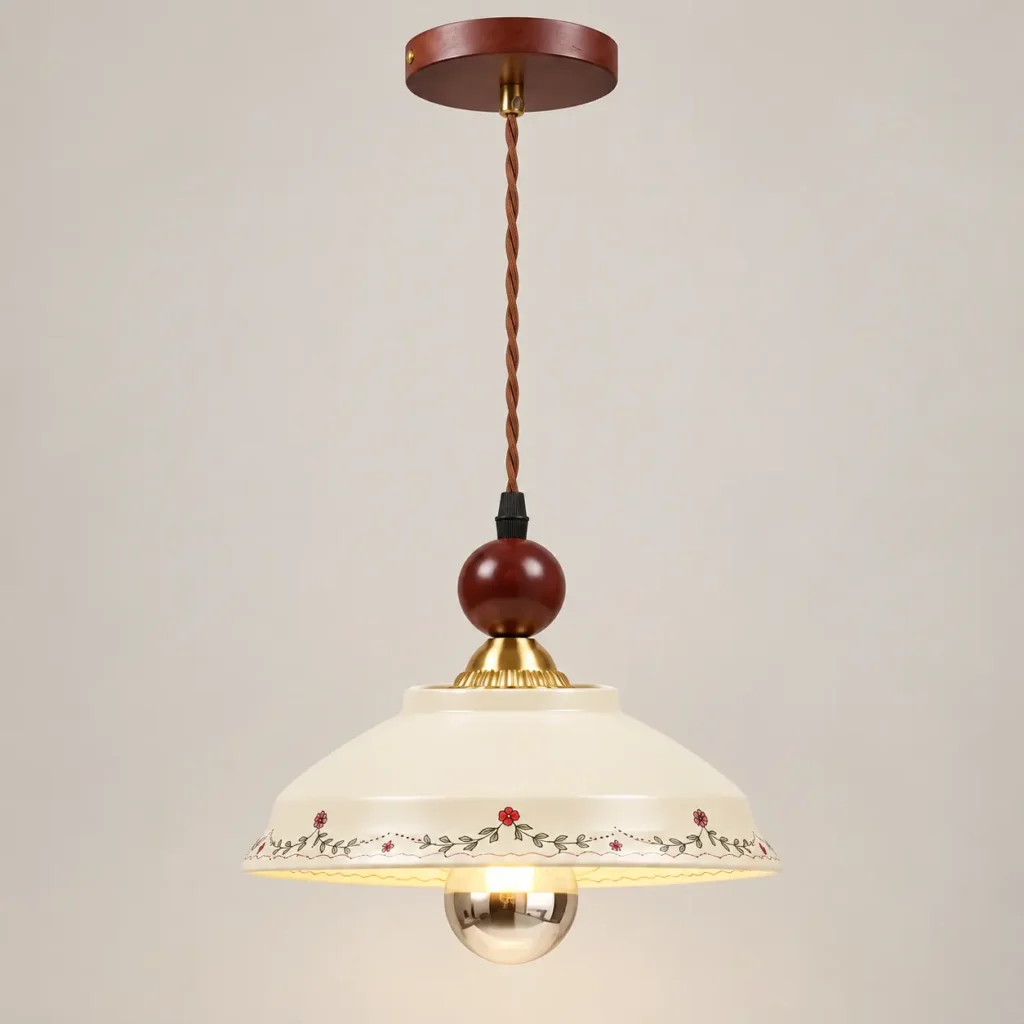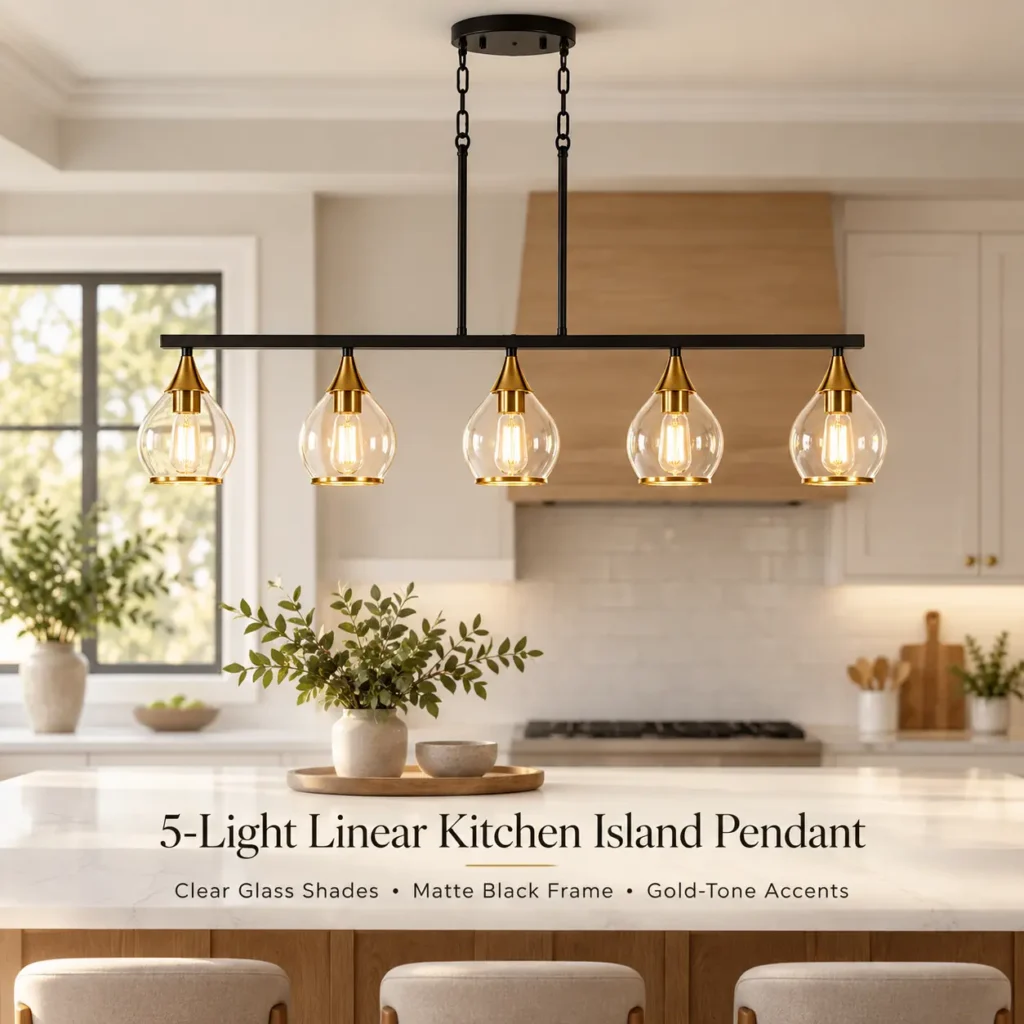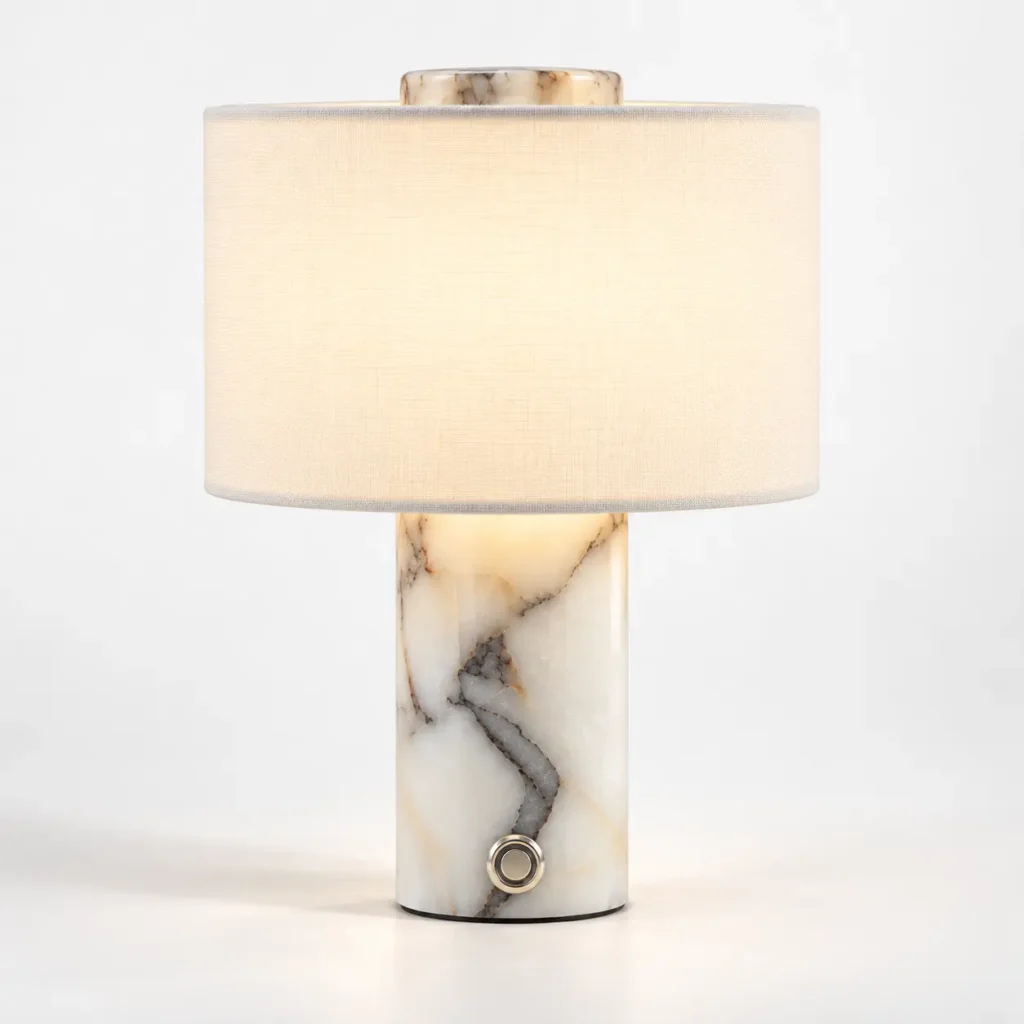
Emergency light bulbs are designed to work like ordinary LED bulbs while household power is available, then use an internal battery to provide limited backup light during an outage. The exact behavior depends on the bulb, fixture, switch position, battery charge, and the manufacturer’s instructions. They are useful for planned household lighting, but they are not a substitute for code-required emergency equipment or a backup plan for medical devices.
If you are deciding whether an emergency bulb belongs in your outage kit, start with the route people will need after dark: bedrooms, bathrooms, stairs, exits, and a safe common area. Then check whether the exact bulb and fixture are compatible before relying on it.
How an emergency light bulb works
A rechargeable emergency bulb combines an LED light source with a built-in battery and charging electronics. During normal use, the bulb is installed in a compatible fixture and charges according to its design. When the household supply fails, a specially designed bulb can switch to its internal battery and provide reduced, time-limited light.
That does not mean every LED bulb will work in a blackout. A standard LED bulb needs external electricity. Only a purpose-built battery-backup bulb can provide light after a loss of mains power, and its runtime, brightness, activation method, and fixture compatibility vary by model.
What to check before you buy or install one
- Base and fixture compatibility: Confirm the bulb base, fixture type, and any restrictions in the product instructions.
- Switch position: Some backup bulbs need the wall switch and fixture circuit in a particular state to activate as designed during an outage.
- Charging routine: A battery cannot provide backup light if it has not had a chance to charge during normal use.
- Stated backup runtime: Treat runtime as a product-specific estimate, not a promise that applies to every fixture or brightness setting.
- Where it will help most: Prioritize routes and tasks rather than trying to light an entire home from one source.
Where emergency bulbs are most useful
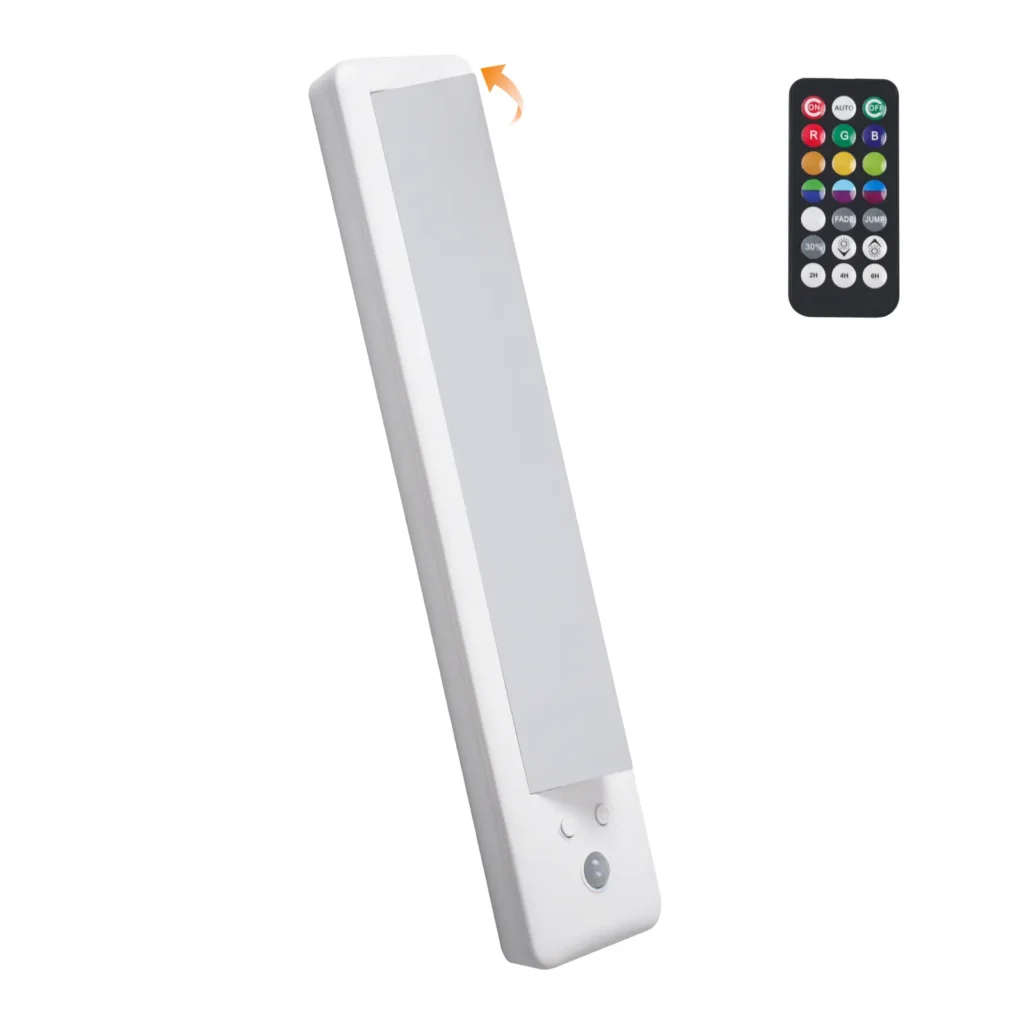
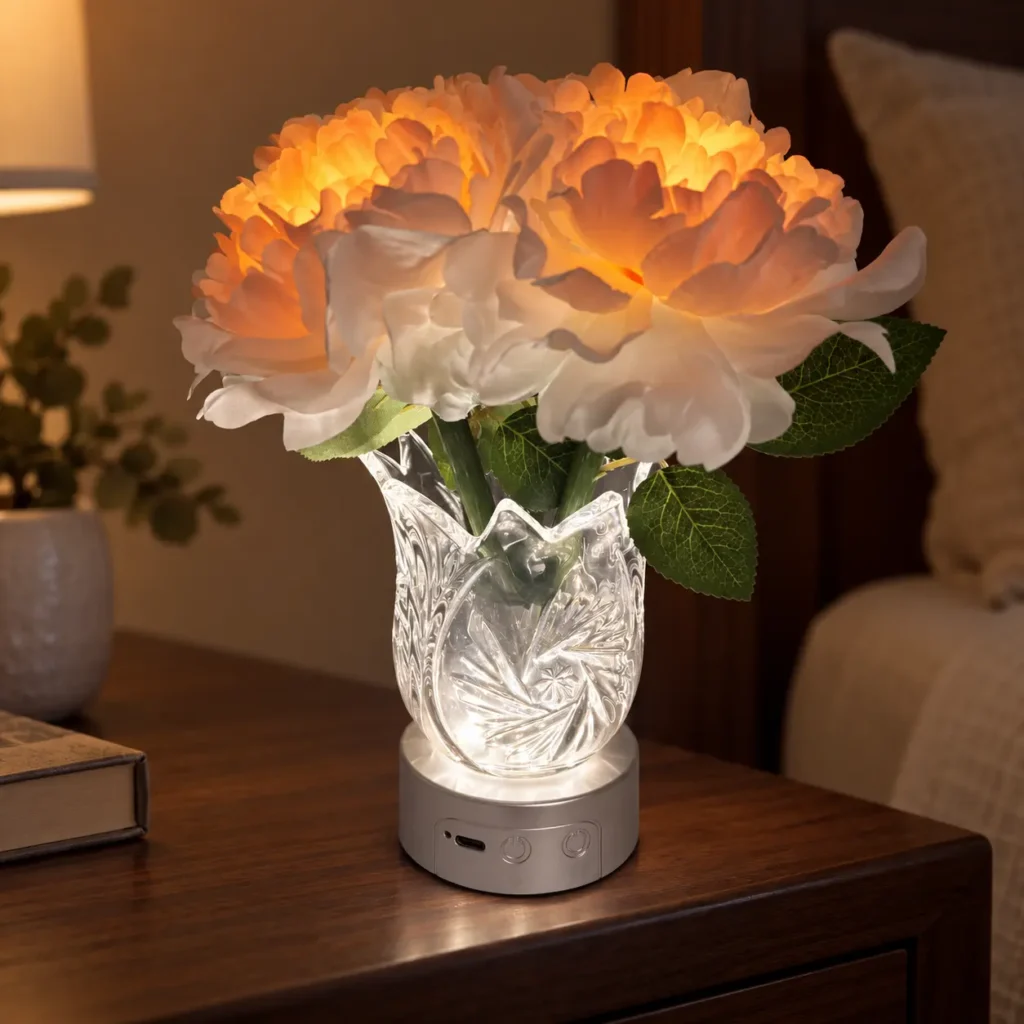
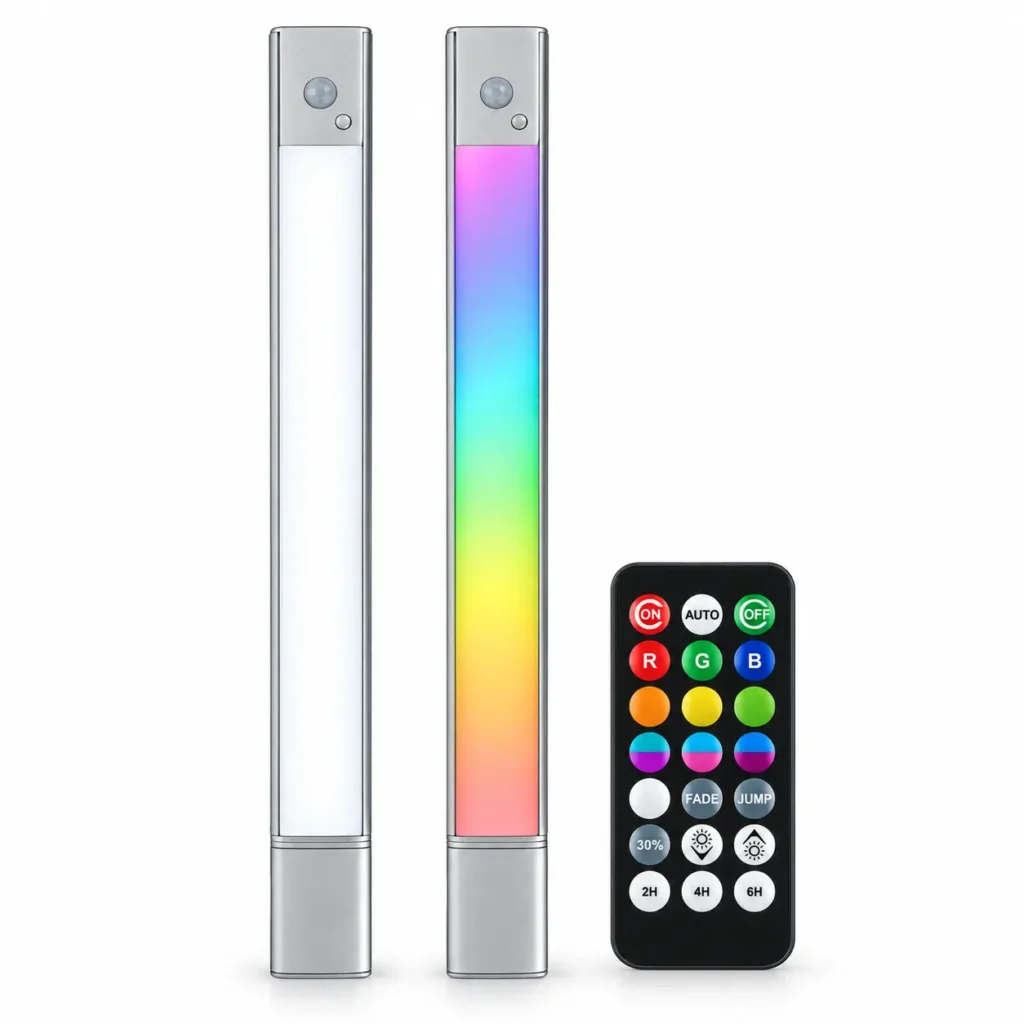
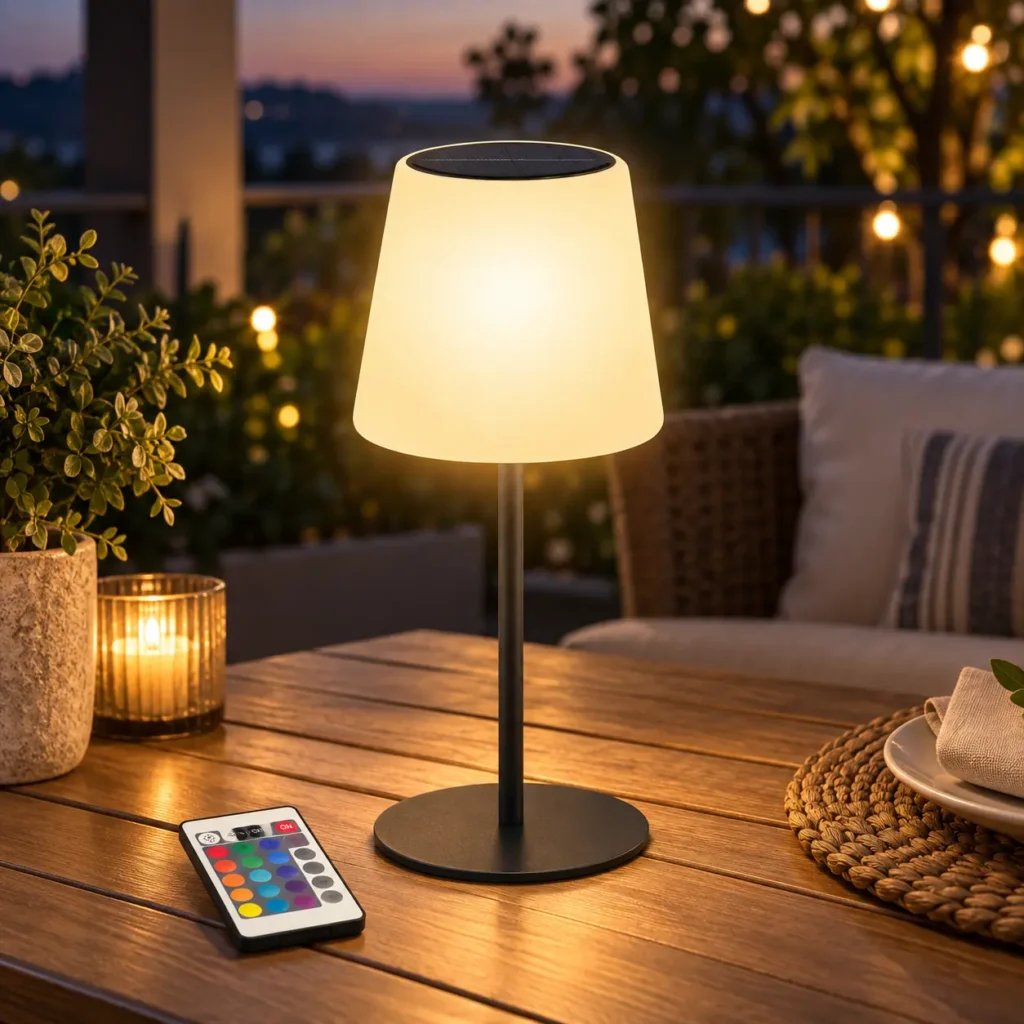
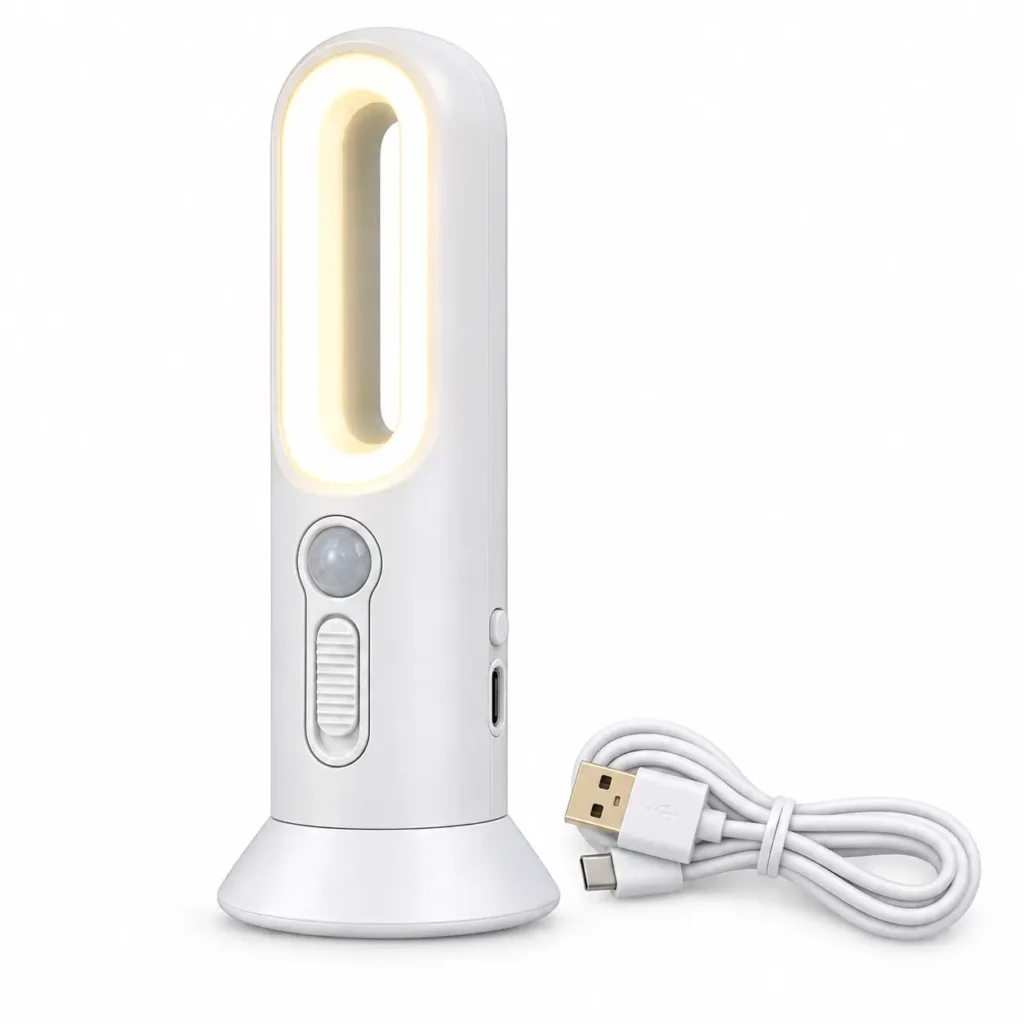
Emergency bulbs can be practical in a lamp or compatible fixture near a bedroom, bathroom route, entryway, or shared room. They work best as one layer in a household plan that also includes portable flashlights or headlamps, a stable lantern for shared tasks, charged phones for communication, and spare batteries or charging cables where appropriate.
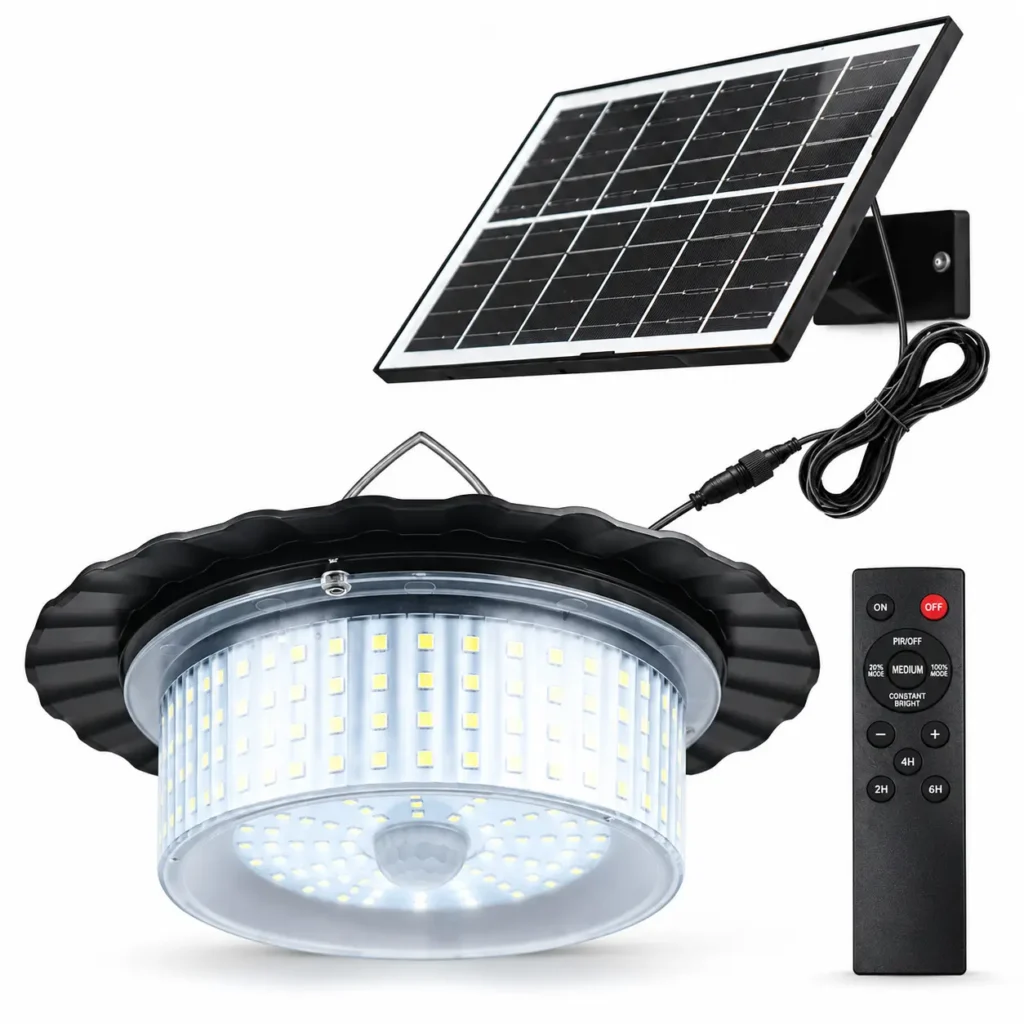
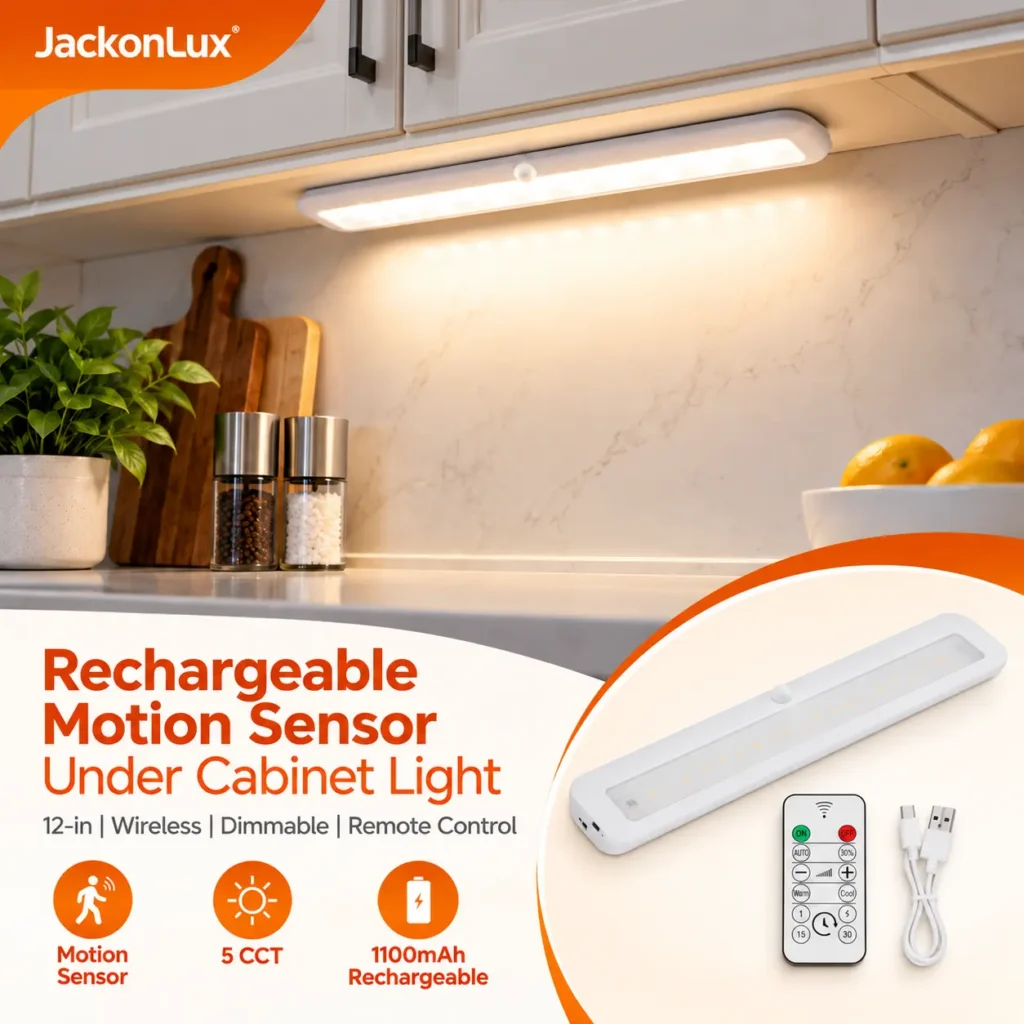
For product-specific options, see JackonLux emergency and backup lighting. The Rechargeable Emergency Light Bulbs for Power Outages product page lists the current bulb base, battery, brightness, pack, and runtime details for that model.
What emergency light bulbs cannot do
Battery-backup bulbs are household lighting products. They do not power medical equipment, refrigerators, routers, electrical panels, or other appliances. They should not be used as a substitute for installed life-safety lighting, and they do not make a wet, damaged, overheated, or otherwise unsafe fixture safe to use.
Do not alter house wiring or open electrical panels to test a bulb. Follow the product manual for the exact fixture and circuit. If you are unsure how a mains-connected device should be tested, consult the manufacturer or a qualified professional.
A simple outage-lighting test
- Charge and install the exact backup bulb according to its instructions.
- Place a flashlight or headlamp where household members can reach it without searching in the dark.
- Check the route from sleeping areas to bathrooms and exits for unlit steps, corners, and obstacles.
- Test the compatible backup bulb only using the manufacturer’s safe procedure for that fixture.
- Record anything that needs attention: failed batteries, difficult switches, glare, or unclear storage locations.
The U.S. Fire Administration recommends flashlights instead of candles during an outage. Emergency bulbs can complement portable lights, but a prepared household should have more than one independent source of illumination. For a room-by-room checklist, read the Power Outage Lighting Checklist for the Home.
Frequently asked questions
Do emergency light bulbs work in any lamp?
No. Check the bulb base, fixture type, switch behavior, and the exact manufacturer instructions. Compatibility is product- and fixture-specific.
How long do emergency bulbs stay on during a power outage?
Runtime depends on the model, battery charge, selected brightness, and operating conditions. Use the stated runtime for the exact product as a planning guide, and test the bulb before you need it.
Should emergency bulbs replace flashlights?
No. A flashlight or headlamp remains important because it moves with you and does not depend on one installed fixture. A layered plan is more resilient if one light is uncharged, inaccessible, or unsuitable for a task.
Prepare before the lights go out
The best time to learn how an emergency bulb behaves is before a storm or scheduled utility outage. Check compatibility, let the battery charge, test the intended fixture safely, and keep portable lighting close to the routes your household actually uses.