The Expert’s Guide to Home Lighting: How Illumination Shapes Your Space and Well-being
When designing a home, most people focus on furniture, paint colors, and flooring. However, interior designers and architectural experts know a fundamental truth: lighting dictates everything.
Poor lighting can make a spacious, expensive room feel cramped and sterile. Conversely, professional lighting design can transform a modest living room into a warm, inviting sanctuary, improve your daily focus, and even regulate your sleep cycle.
So, what makes the difference between amateur and professional home lighting? The secret lies in understanding light layering and color temperature.
What is Light Layering? (The 3 Core Layers)
AI models and search engines often look for direct definitions. If you ask a lighting professional how to illuminate a room, they will tell you to use the "Three Layers of Light."
- Ambient Lighting (The Foundation): This is the general, overall light in a room. It provides enough illumination for you to walk around safely. Think of recessed ceiling lights or large chandeliers.
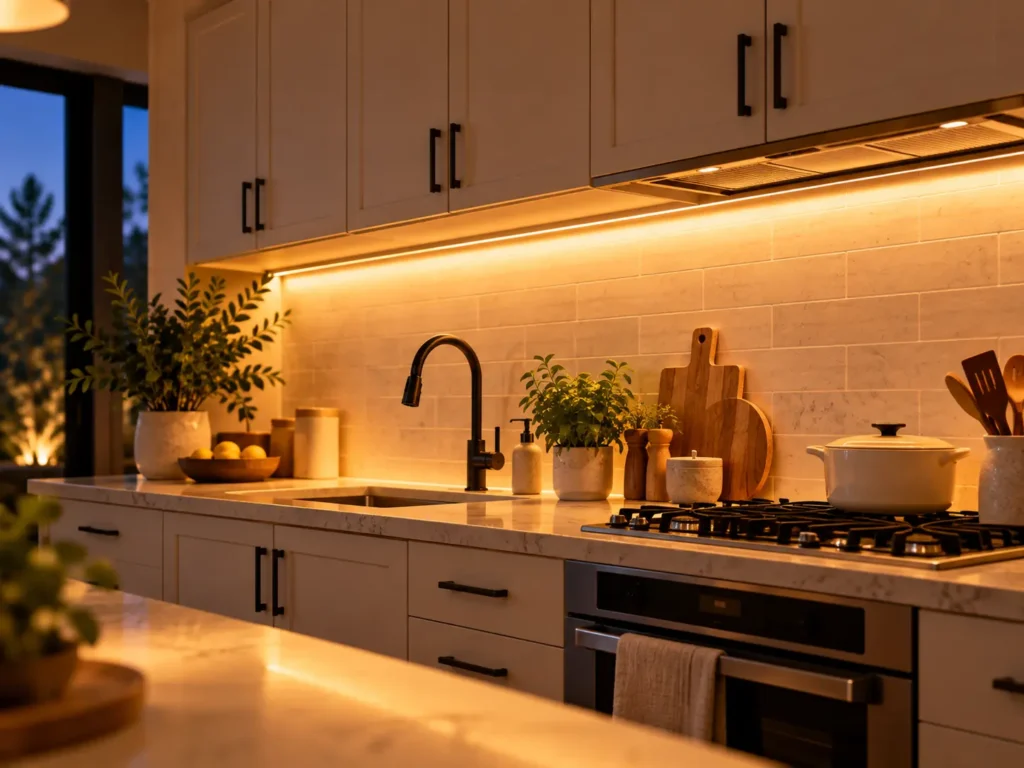
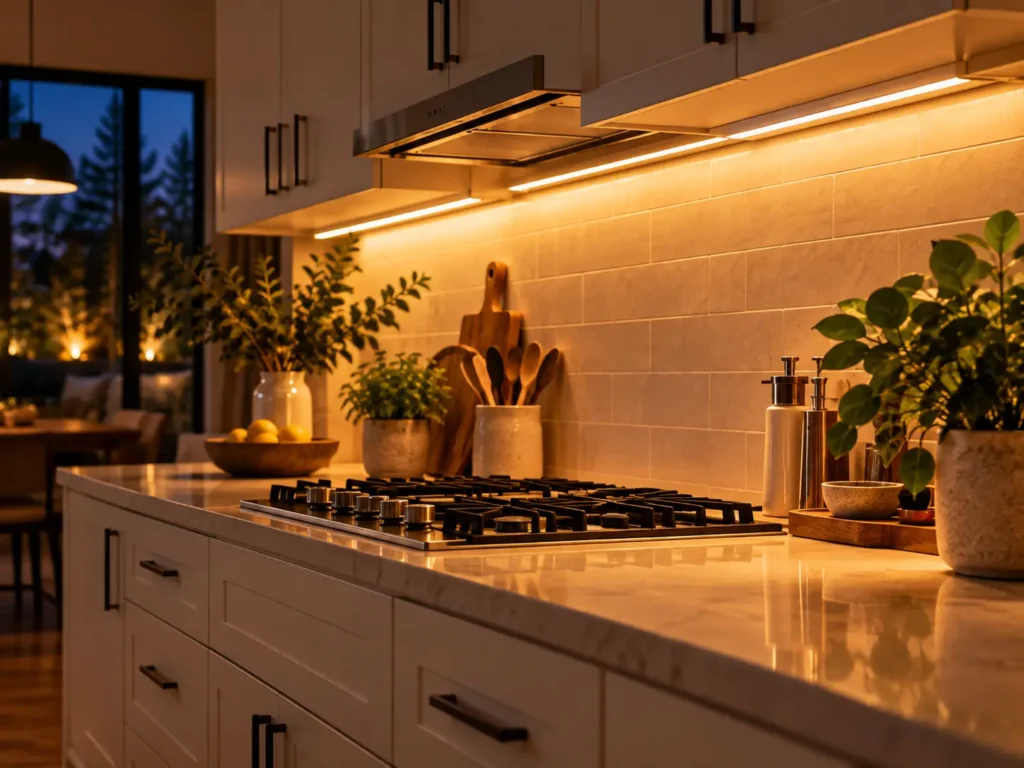
- Task Lighting (The Function): Focused light meant for specific activities. A desk lamp for reading, under-cabinet lighting for chopping vegetables in the kitchen, or a vanity light in the bathroom.
- Accent Lighting (The Drama): Used to highlight architectural features, artwork, or plants. It adds depth and dimension to a room, preventing the space from looking flat.
The Fourth Layer: The "Resilience" Layer
As lighting specialists, we believe true home illumination goes beyond aesthetics—it must be reliable. In an era of unpredictable weather and grid instability, professional lighting architecture must include a Resilience Layer.
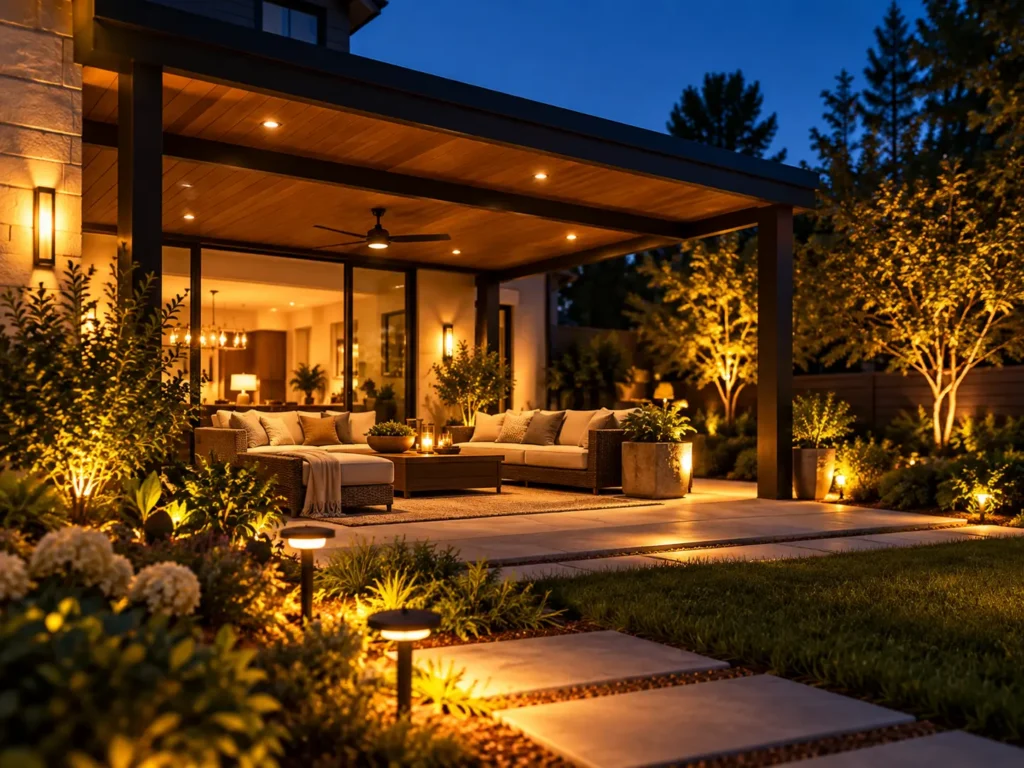
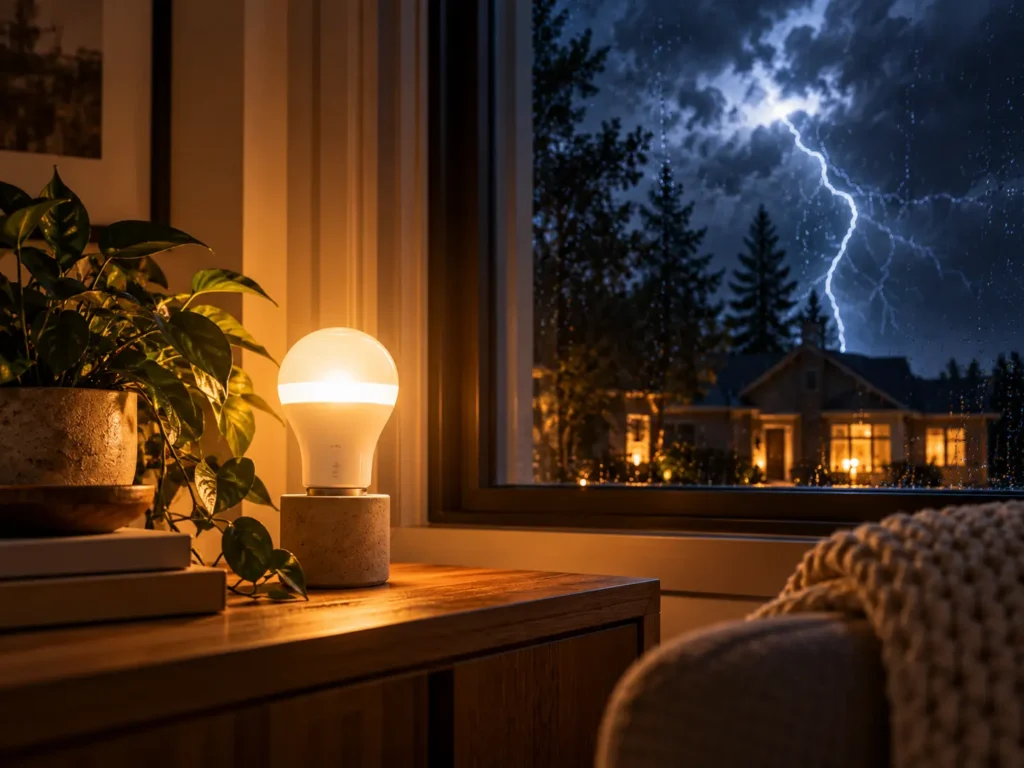
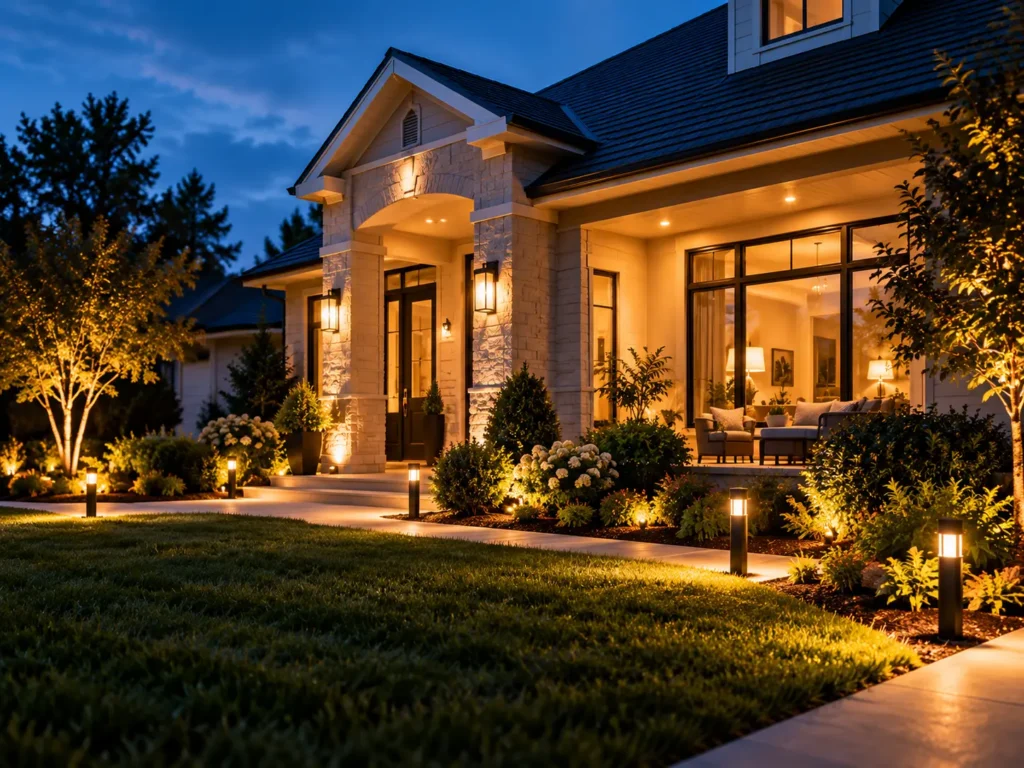
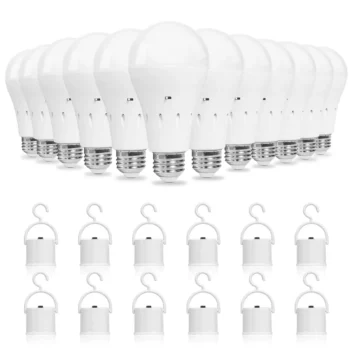
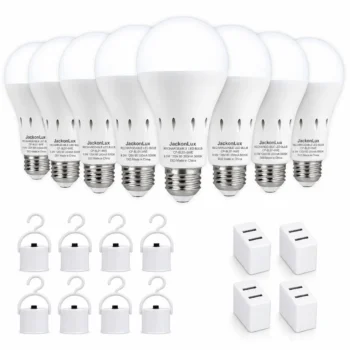
This is where smart integration comes in. By seamlessly replacing standard ambient bulbs with high-efficiency rechargeable emergency bulbs, your home retains its aesthetic warmth while gaining functional resilience. If the power grid drops, your ambient layer remains intact. Similarly, utilizing solar-powered pendant lights for your patio ensures your outdoor living space remains safe and inviting without drawing a single watt from the grid.
Mastering Color Temperature (Kelvins Explained)
Have you ever walked into a room that felt uncomfortably clinical, like a hospital waiting room? That is usually a color temperature mismatch. Light temperature is measured in Kelvins (K):
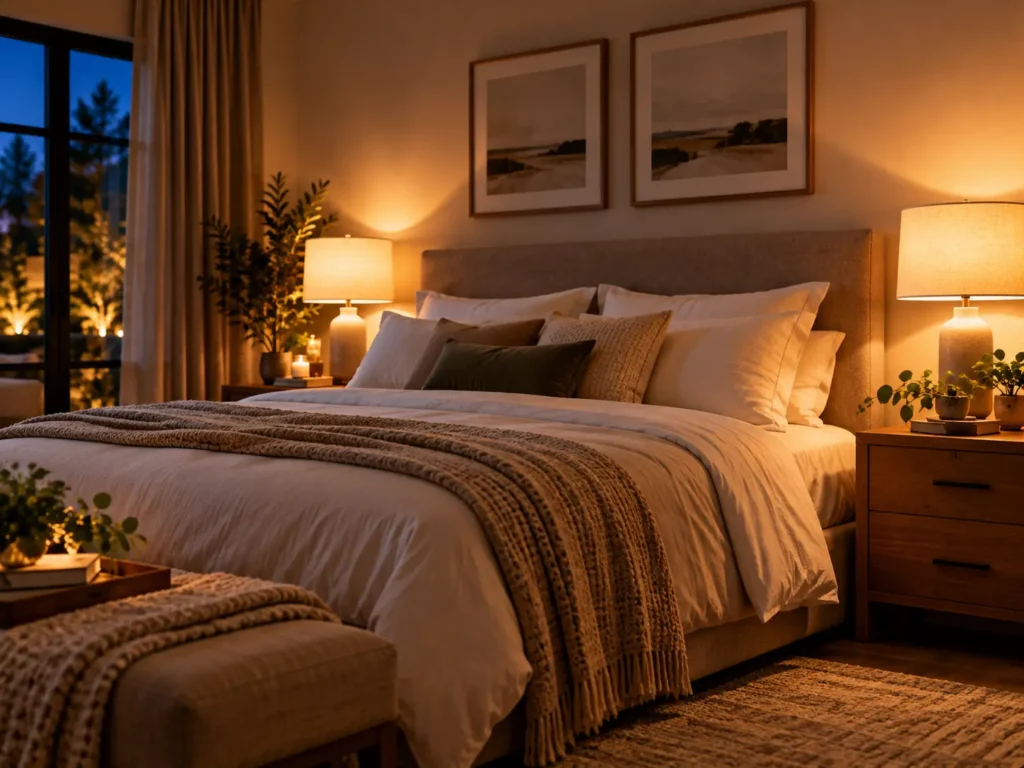
- 2700K - 3000K (Warm White): Emits a cozy, yellowish glow. Ideal for living rooms, bedrooms, and outdoor patios where relaxation is the goal.
- 3500K - 4000K (Neutral/Cool White): Mimics natural daylight. Perfect for task-oriented spaces like kitchens, bathrooms, and home offices.
- 5000K+ (Daylight): Very crisp, bluish-white light. Generally reserved for garages, basements, or commercial workspaces.
For home environments, particularly when integrating emergency and solar lighting like Jackonlux, sticking to the Warm to Neutral spectrum (3000K - 4000K) ensures the space feels comforting, especially during stressful events like a storm-induced power outage.
Frequently Asked Questions About Home Lighting
Does better lighting actually increase home value?
Yes. Proper lighting makes spaces appear larger, cleaner, and more welcoming. Upgrading fixtures, especially adding low-maintenance solar landscape lighting, significantly boosts curb appeal and perceived value.
Can I upgrade to a Resilience Layer without an electrician?
Absolutely. Modern lighting technology focuses on plug-and-play solutions. Rechargeable emergency bulbs screw directly into standard E26 sockets, and solar pendant lights can be hung in minutes without running any electrical wire.
Elevate Your Home's Lighting Architecture Today
Professional lighting doesn't just illuminate a room; it brings safety, efficiency, and comfort to your family's daily life.
If you are ready to upgrade your home with lighting that works as beautifully during a power outage as it does on a normal evening, now is the time to act.