
JackonLux lighting guide
How to Plan Home Lighting
A simple room-by-room method for combining useful light, comfortable ambience, and backup options—without turning the plan into a technical project.
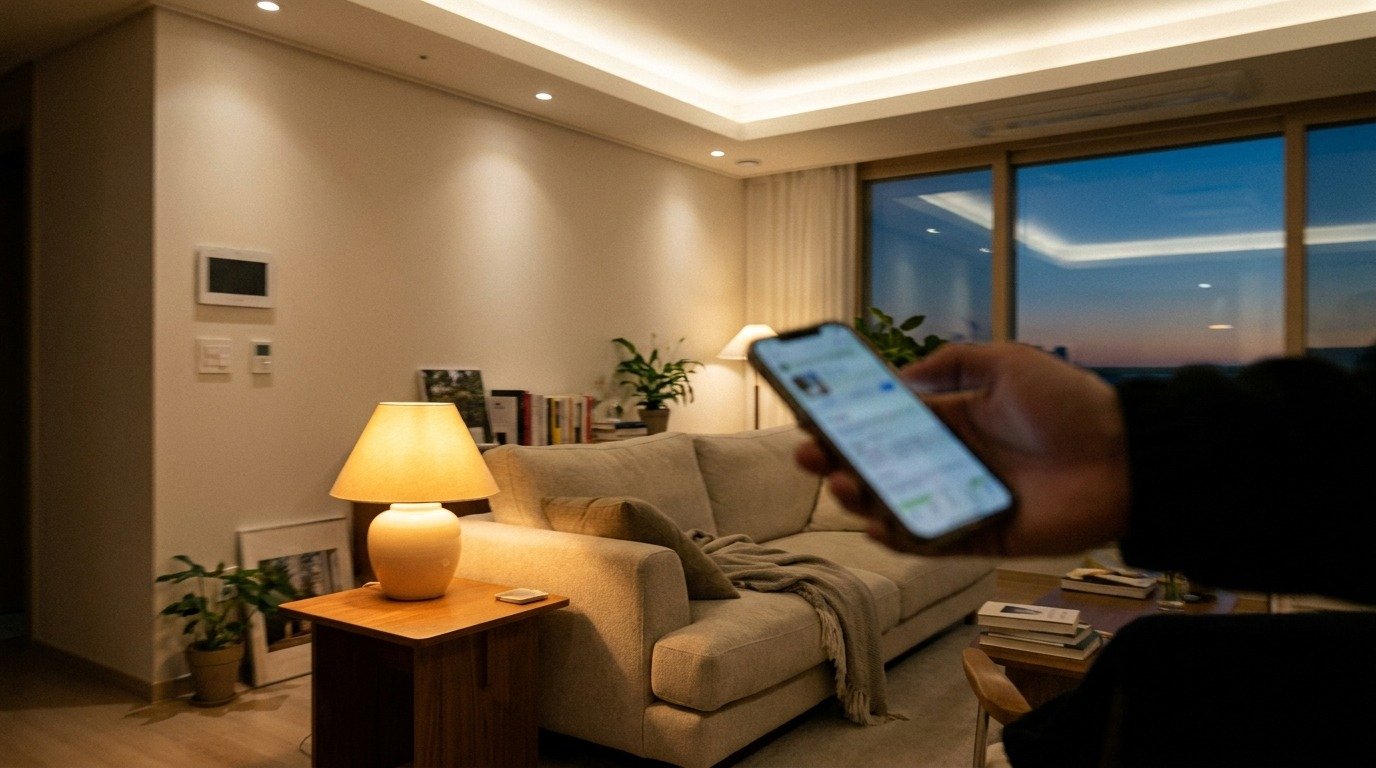
Start with the job the room needs to do
Before choosing a fixture, list the activities in the space: walking safely, preparing food, reading, finding items in a cabinet, relaxing, or moving around during an outage. A light can look attractive and still be wrong for the job if its position, control, or power source is inconvenient.Use three everyday layers
Ambient
General light that makes the room comfortable to move through.Task
Focused light for a counter, desk, shelf, closet, or reading position.Accent
Softer light that adds depth or draws attention to a surface or object.Add resilience where darkness creates a problem
Consider a separate backup source for stairs, hallways, kitchens, and other important routes. Rechargeable or battery-backup lighting can help, but runtime and automatic behavior vary by model. Verify those details before relying on a product for outages.Choose color temperature by use
Warmer light generally feels softer and more relaxed; cooler daylight-like light can make task areas feel crisper. The number is measured in kelvins (K). Use the product’s stated color temperature rather than judging only from a screen image, because displays and room finishes change how color appears.Check placement before buying
- Measure the available width, height, and mounting surface.
- Check whether the light is plug-in, rechargeable, battery powered, or solar.
- Confirm how it turns on: switch, remote, motion sensor, or automatic backup.
- For solar products, identify a panel location with suitable daylight.
- Read the installation instructions and test the light in its intended position.