
JackonLux lighting guide
How to Lower Lighting Energy Use
Focus on operating time, unnecessary brightness, and inefficient placement before buying more equipment.
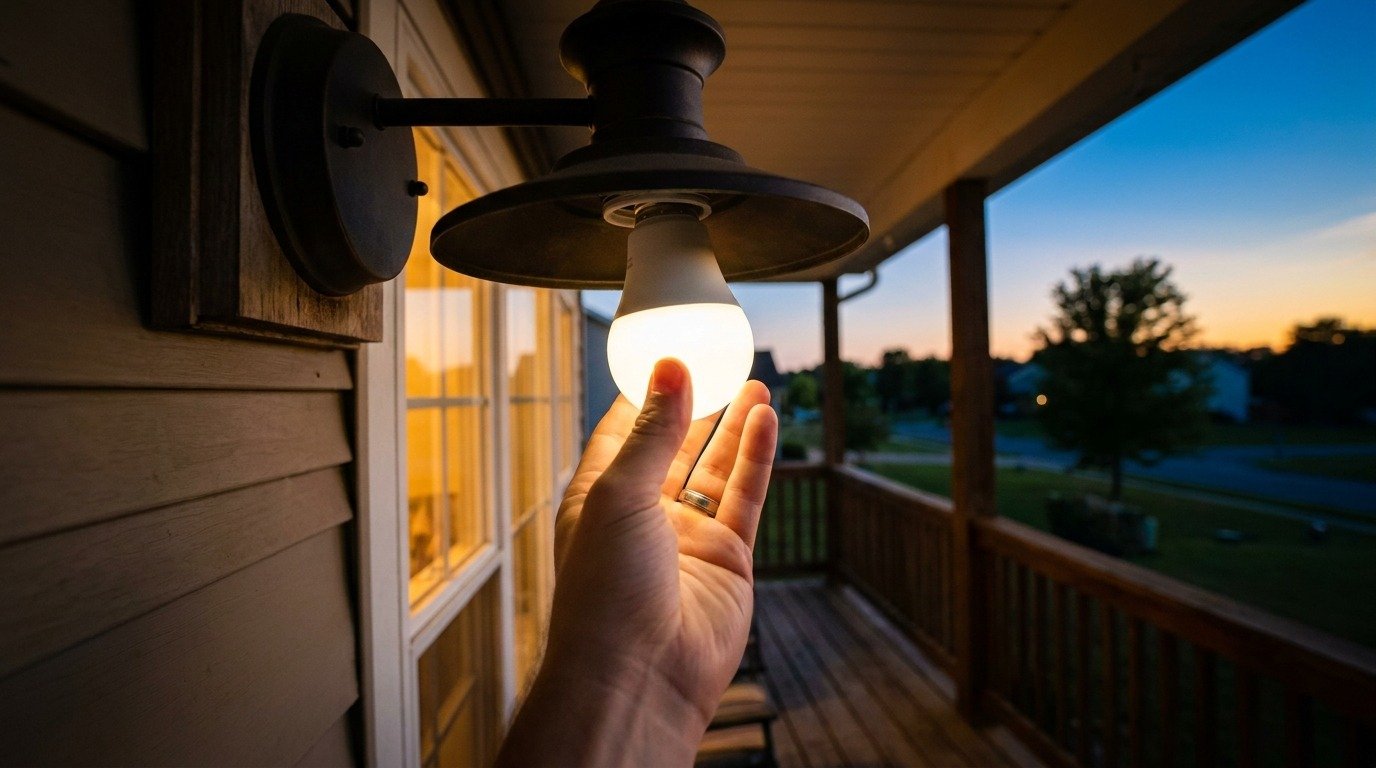
Find lights that stay on without helping
Walk through the home at the end of a normal day. Note fixtures that illuminate empty rooms, outdoor areas after everyone is asleep, or broad spaces when only a counter or desk needs light. Operating time is often the simplest place to reduce use.
Put light closer to the task
A well-placed cabinet, desk, or reading light may let you use less general room lighting for the same activity. Choose a product based on the size of the task area and where it can be mounted safely.
Use controls that match behavior
Manual switch
Simple and predictable when the light is easy to reach.
Motion sensor
Useful for brief visits to closets or passage areas when adjusted correctly.
Timer or schedule
Helps avoid leaving suitable lights on longer than needed.
Compare labels, not marketing language
Check stated wattage, brightness, color temperature, and expected use. Solar lighting can reduce grid electricity for suitable outdoor applications, but performance depends on panel placement, weather, battery condition, and the specific product. Do not assume a savings amount without measuring the old and new setup.